
The power drops, the generator doesn't start, and nobody knows
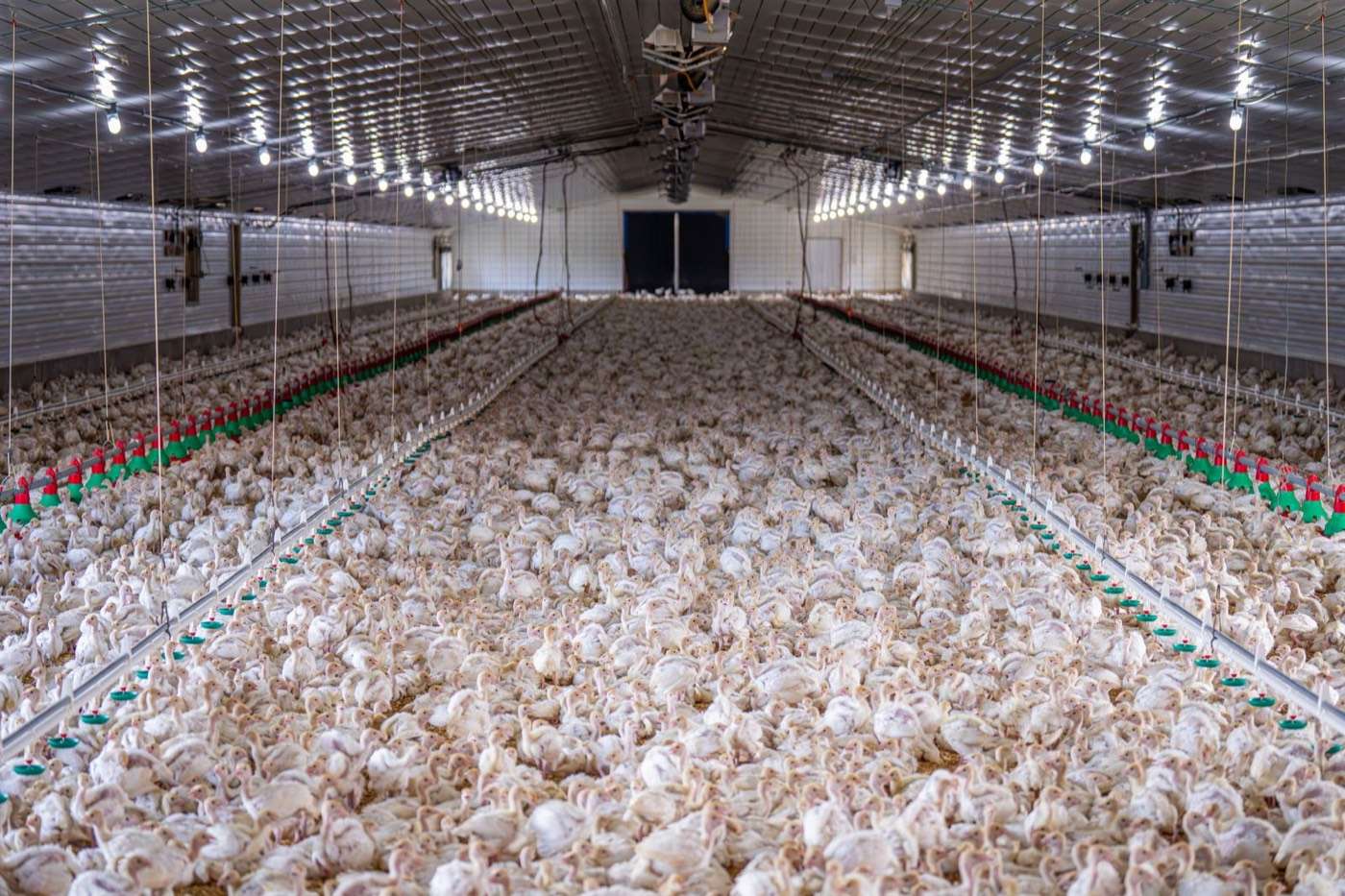
A poultry shed alarm system has one job: tell a person before the birds cook. A tunnel shed lives on mains power for every fan, inlet and controller.
Most alarms sit inside the shed controller. They share power and sensors with the thing that failed, so when the power goes, the alarm can go with it.
Reported incidents show it. In Helensville, New Zealand, almost 200,000 broilers died after a power cut, a generator that didn't start and an alarm that never reached the manager (Newshub).
- The generator or transfer switch fails to take over.
- The controller alarm loses power or its phone line.
- The call goes to someone who can't be reached.
How a poultry shed alarm system works beside your controller
- 1
Nodes watch the mains
One battery-backed node on each phase, fitted before the changeover, so mains loss shows even while the generator runs.
- 2
A contact reads the generator
A dry contact from the transfer switch or generator controller says whether the generator has taken over.
- 3
A probe reads the birds
A separate temperature probe sits at bird height and reports every 5 minutes, independent of the controller probe.
- 4
The gateway texts you
It sends by 4G or Starlink on a UPS, then texts a second person if you don't acknowledge.
Today versus a separate poultry shed alarm
| Topic | Today | With monitoring |
|---|---|---|
| Power cut | The controller alarm may go down with the mains | Battery nodes keep reporting and text you |
| Generator fails | You find out when you walk out | No run signal sends an urgent text to everyone |
| Nobody answers | One call, one phone, one chance | A second contact is texted if you don't acknowledge |
| Heat or cold | The controller's own probe is the only check | A separate probe at bird height texts you |
What we fit in and around the shed
The system sits beside your controller. It shares no power or sensors with it.
-
Phase alarm nodes
One per mains phase at the shed incomer. They keep reporting after the mains drops.
Battery backed
-
Generator run contact
Reads a dry contact from the transfer switch or generator controller.
Alerts after the set delay
-
Bird-level probe
Reads shed air at bird height, away from fan streams and brooders.
Reads every 5 min
-
Gateway on a UPS
Collects every node by radio and sends the text.
No-data alert at 15 min
-
4G or Starlink link
Gets the text out. The modem and router share the backed-up supply.
Tested with mains off
What lands on your phone when the mains fail
Shed 2 bird-level temperature
Dashboard view
- Mains
- Lost
- Generator run
- Not running
- Shed temp
- 29.1 °C
On a broiler, layer, piggery or dairy site
The national poultry standards (2022) ask for tested back-up power and an alarm for ventilation failure. Guideline GA 7.7 adds power loss on any phase, shed temperature too high or low, and power or emergency ventilation back within 15 minutes.
Piggeries share the same ventilation failure, and dairies feel the outage in the milking plant, vat and fans. We found no Australian pig standard on ventilation alarms, so we build to your plan. For the generator side, see poultry shed generator alarm.
Add a shed breaker trip alert for a single tripped circuit, or switchboard temperature monitoring to catch a hot lug. For air quality, see ammonia sensor monitoring.
What it costs
We fix the price after a short scoping call or site visit. It depends on how many sheds and sensors, how far the gateway is from each shed, and how the alert gets out. Ongoing support is available as a plan after handover.
Get a quote for shed alarmsThe fixed price covers
- Phase nodes, generator contact and bird-level probes
- Gateway, UPS and 4G or Starlink link
- Installation and electrical work under QLD Electrical Contractor Licence 1513082
- Alert set-up, contact list and the order people are texted
- An ongoing support plan: we keep it running, replace batteries and sensors, and tune alerts
What this alarm won't do
- It tells a person. It won't start the generator, run fans or open curtains.
- It adds to your controller alarm, tested back-up power and response plan. It doesn't replace them.
- The temperature probes are indicative, not calibrated instruments. We set limits with you.
- Storms can delay a text. Readings stop if the gateway loses both power and its link.
The same storm night, with and without a second alarm
Without monitoring
- 1:50 amStorm takes the mains. The generator doesn't start.
- 1:55 amFans stop. The shed starts to heat up.
- 2:30 amController alarm is flat. Nobody has been told.
- 6:00 amYou walk out to a shed you can't fix.
With monitoring
- 1:50 amMains lost. The node runs on its own battery.
- 1:51 amText to you. Generator run signal is missing.
- 1:56 amNo reply, so your second contact gets the text.
- 2:10 amSomeone is at the shed with power or vents open.