
Skip to content
Holt Systems

Wastewater pH control system for washdown water

Clean-in-place and washdown chemicals swing wastewater pH from one extreme to the other. Automatic dosing brings it back into range before it reaches the sewer.

Request a site assessment
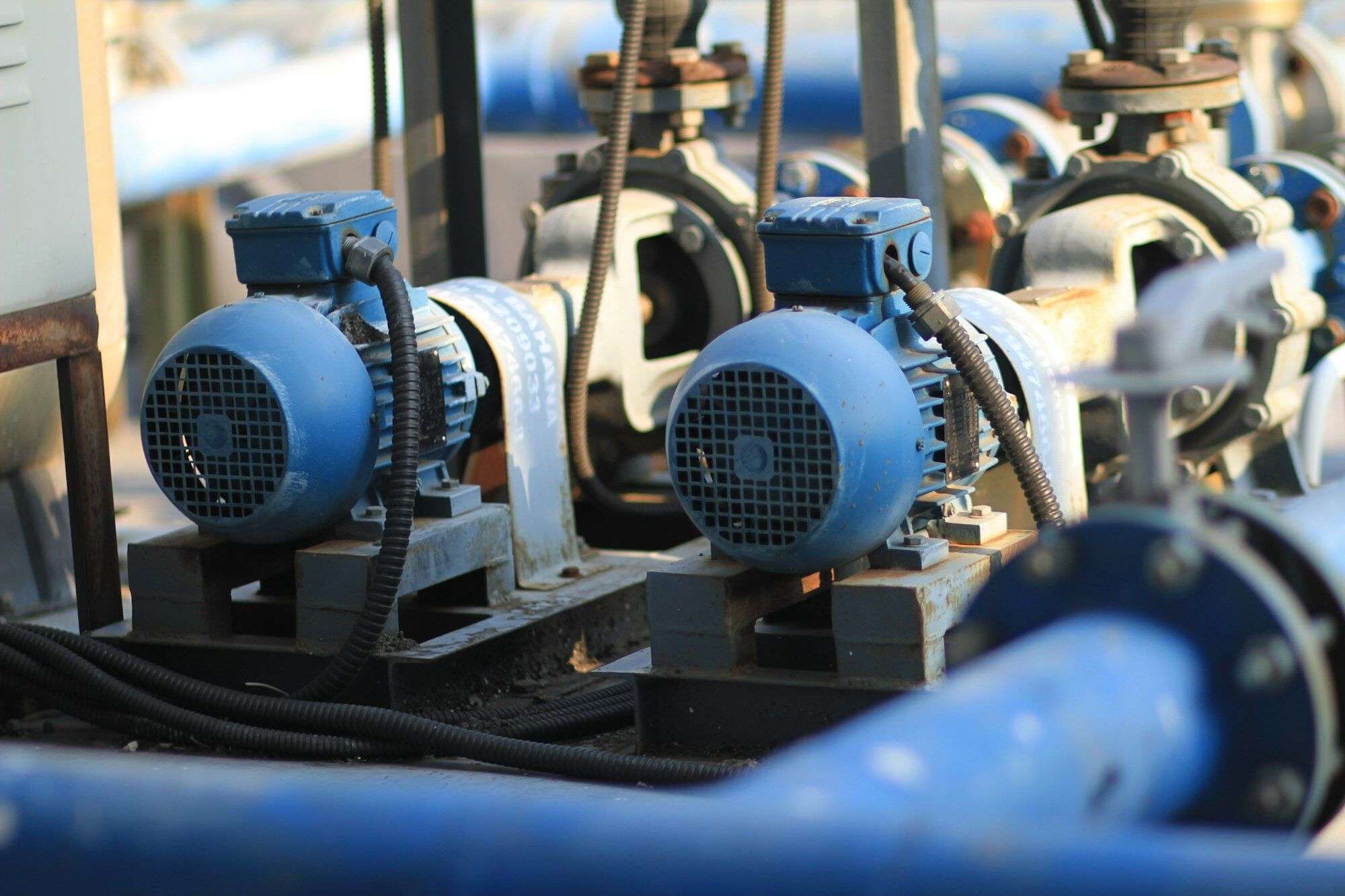
Pair of motor-driven centrifugal pumps on a skid with flanged water pipework

A wastewater pH control system measures the pH of washdown and cleaning water and doses acid or alkali automatically to bring it within an acceptable range before it leaves the site. Food and beverage plants are particularly exposed: clean-in-place (CIP) systems and washdowns use strong caustic and acid solutions, and the resulting wastewater can swing from very high to very low pH within a single cleaning cycle.

What uncontrolled pH costs

Without automatic control, the consequences fall into three groups:

  • Trade waste exceedances. Utilities set acceptable pH ranges for trade waste. Urban Utilities’ trade waste acceptance criteria, for example, specify a pH range of 6 to 10.5. Discharges outside the approved range can lead to compliance action and additional costs.
  • Damage to pipes and pits. Strong acid and caustic flows attack concrete pits, pipe joints and metal fittings on site.
  • Manual dosing. Staff add chemicals by hand based on spot checks, which is inconsistent and exposes them to hazardous chemicals more often than necessary.

Why washdown pH is hard to control

Cleaning schedules release chemicals in pulses. A caustic wash followed by a rinse, then an acid wash, produces a sequence of high, neutral and low pH flows that arrive at the drain within minutes of each other. pH is also logarithmic: each unit of pH represents a tenfold change in concentration, so the amount of acid or alkali needed to correct a flow changes sharply near neutral. Manual dosing cannot respond to changes on that timescale, and simple on/off dosing tends to overshoot.

How a wastewater pH control system works

Wastewater collects in a mixing tank, where pH is measured continuously and corrected by metered dosing before discharge.

Wastewater pH control system for washdown water pH probes Measure tank and discharge pH Controller Calculates the dose needed Dosing pumps Meter acid or alkali into the tank Mixing tank Washdown water corrected beforedischarge pH measured continuously in the tank
Wastewater pH control system for washdown water

How it works

  1. 1

    Collect and mix

    Washdown water flows into a mixing tank, where a mixer or recirculation pump blends it to a uniform pH.

  2. 2

    Measure

    pH probes in the tank and at the discharge measure continuously, with automatic cleaning where the wastewater is fatty.

  3. 3

    Dose

    Metering pumps add acid or alkali in proportion to the deviation from setpoint, slowing as pH approaches range to avoid overshoot.

  4. 4

    Release and record

    Water is released when pH is within range. pH, doses and discharge times are logged for your records.

One contract, every trade licensed

A pH control system includes plumbing and drainage connected to the sewer. We carry out the electrical, instrumentation and controls work under QLD Electrical Contractor Licence 1513082. Tanks, pipework and sewer connections are installed by a QBCC-licensed plumbing contractor that we engage and manage. You deal with one contract and one accountable lead.

pH is one part of trade waste quality. Plants that also need to manage flow, load and charges should see trade waste compliance.

The commercial case

The benefit combines reduced compliance risk, less chemical use through measured dosing, and reduced wear on drainage infrastructure. Chemical savings are the easiest to estimate.

Alternatives

  • Manual dosing. Low cost, but inconsistent and dependent on staff availability and chemical handling.
  • Changing cleaning chemicals. Worth reviewing with your chemical supplier, but cleaning still produces pH swings.
  • Packaged treatment units. A practical choice for some sites. Integration with your drainage, cleaning schedules and records is where a site-specific design adds value.
  • Separate trades. Engaging an electrician, plumber and controls contractor separately leaves coordination and accountability with the site.

How a project runs

Every project follows the same five stages. For pH control, the assessment includes how and when washdown and cleaning chemicals reach the drain.

  1. 1

    Site assessment

    We review drainage, existing pits or tanks, cleaning chemicals and schedules, and any trade waste requirements, and log pH where practical.

  2. 2

    Proposal

    A single proposal covering instruments, dosing, controls and pipework, a fixed price, a program and the projected benefit.

  3. 3

    Off-site build and test

    The control panel and logic are built and tested off-site. Tank, pipework and dosing arrangements are confirmed with our licensed plumbing partner.

  4. 4

    Installation and commissioning

    Installation is coordinated in one program, with electrical work under our licence and plumbing by our QBCC-licensed partner, managed by us.

  5. 5

    Handover and support

    Dosing is tuned on real washdown flows, staff are shown the system and probe care, and you receive documentation and local support.

Why Holt Systems

A wastewater pH control system brings together instruments, dosing, controls and plumbing. We deliver it as one project with one accountable lead.

Electrical, instrumentation and controls work is carried out under QLD Electrical Contractor Licence 1513082. Installations are completed to AS/NZS 3000 (the Wiring Rules), machine safety functions are designed with reference to AS/NZS 4024, and PLC programs are written in IEC 61131-3 languages and fully documented.

Manufacturer independent
We work across Siemens, Allen-Bradley (Rockwell Automation), Schneider Electric and Omron, and specify hardware on technical merit and local support availability.
Scoped to the requirement
Work is scoped to the specific machine, line or plant area, without the overheads of a large integrator, and quoted at a fixed price.
Reduced shutdown duration
Off-site build and testing means shutdown time is spent on installation and commissioning rather than fault-finding.
Single point of accountability
One accountable lead from site assessment through design, installation and handover.

Wastewater pH control questions

Who installs the tanks and pipework?

Plumbing and drainage work, including tanks and pipework connected to the sewer, is carried out by a QBCC-licensed plumbing contractor that we engage and manage. We carry out the electrical, instrumentation and controls work under QLD Electrical Contractor Licence 1513082.

Which chemicals are used for dosing?

That depends on your wastewater. Acid is dosed to correct high pH from caustic cleaning, and an alkali to correct low pH from acid cleaning. Chemical selection is agreed with you and your chemical supplier.

How often do pH probes need attention?

pH probes need regular cleaning and calibration, more often in fatty or high-solids wastewater. The system can include automatic probe cleaning and reminds staff when calibration is due.

Will this guarantee we stay within our trade waste limits?

No system can guarantee compliance, and we do not provide regulatory advice. Automatic dosing and recording make it far more likely that pH stays within your approved range, and show what happened if it does not.

Do we need a holding tank?

Usually, yes. A mixing or balance tank smooths out sudden changes and gives dosing time to work. Its size depends on your flows and is determined at the site assessment.

Can the system stop discharge if pH is out of range?

Yes, where the drainage arrangement allows. Discharge can be held or recirculated until pH is back in range, with an alarm to staff.

Request a site assessment

Provide a brief outline of your site and requirements, and we will contact you to discuss the scope and arrange a site visit.

Or email hello@holtsystems.com.au

Your details are handled in accordance with our privacy policy.