
Skip to content
Holt Systems

Feedlot hay temperature monitoring: hear about a hot stack early

We put probes in the core of your hay stacks and a gateway on the mill roof. The feed manager gets a text when a stack heats.

  • WatchesCore of each stack, plus shed air
  • You getA text and email, day or night
  • Reads every10 to 15 minutes
Feedlot hay temperature monitoring site plan Plan of a feedlot, not to scale. Cattle pens run across the top. The feed mill is at left with a gateway on its roof. The hay shed is at right, 15 metres clear of the mill and 15 metres clear of the pens, with a pressurised hydrant beside it. Inside the shed are three stacks, each with an orange temperature probe in the core, connected to the gateway by dashed LoRaWAN radio lines. A tub grinder sits outside the shed below it. Below the plan, the alert path runs from the gateway through Starlink or 4G to an SMS and email to the feed manager and the duty operator. Feedlot site plan, not to scale Cattle pens Feed mill Gateway on mill roof Hay shed P1 P2 P3 Probe in stack core 15 m 15 m Hydrant Tub grinder outside shed Orange dot: temperature probe Dashed line: LoRaWAN radio Alert path Gateway on mill roof Starlink or 4G SMS and email to feed manager and duty operator
Feedlot site plan, not to scale. Gateway on the mill roof, hay shed 15 m clear of the mill and pens, orange probes in three stacks sending by radio, then a text to the feed manager and duty operator.

55 °C

Past about 55 °C in the core, heating hay starts giving off flammable gas.

Source: NSW Government

over $30,000

A second Nobby fire on the Darling Downs destroyed 191 bales, both fires in the holiday break.

Source: Our News (Darling Downs)

50 fires

Victoria's CFA reported 50 hay fires in about two months, from late 2023.

Source: Stock and Land

The stack heats up over the holidays and nobody's looking

Feedlot hay temperature monitoring covers a gap in a store that's already built right. Hay heats from the inside, and the first you know is smoke.

Hay is part of the ration. A shed fire stops feed going out and puts the mill and commodity sheds nearby at risk.

The Meat & Livestock Australia (MLA) Feedlot Design Manual sets the layout. It limits the damage. It doesn't tell you a stack is heating.

  • At least 15 m between the hay and other buildings.
  • Hydrants beside the hay, which are unlikely to put out a major fire.
  • None of these watch the stack itself.

How feedlot hay temperature monitoring works in your shed

  1. 1

    Probes go in the core

    A stainless probe sits in a bale in each of three stacks, 1.5 to 2 m up, one in the freshest or wettest lot.

  2. 2

    Radio to the mill roof

    Each probe node sends by LoRaWAN (long range wide area network) radio to the gateway on the feed mill roof.

  3. 3

    Starlink or 4G sends the text

    The gateway sends your alert to the feed manager and the duty operator, by SMS and email.

  4. 4

    Gone quiet? That's an alert too

    If a node or the gateway stops reporting for an hour, you're told. Silence is never read as safe.

Hay shed alerts
  1. 9:55 am

    Hay shed stack 2 core at 71 °C. Call 000 first. Do not pull the stack apart.

  2. 11:20 am

    Hay shed stack 3 no signal for 1 h. Check node and gateway.

Today versus with feedlot hay temperature monitoring

TopicTodayWith monitoring
CheckingA crowbar left in for 2 hours, judged by handA reading every 10 to 15 minutes
Over holidaysWhoever's on roster might walk past itA text to two people, any hour
TrendOne point, no history24 hour rise against shed air, recorded

What we fit in the hay store and on the mill roof

  • Stack core probes

    Stainless probes read the heat in the middle of the stack, one per stack.

    Reads every 10 to 15 min

  • Shed air sensor

    Reads air under the roof, so you can tell shed heat from stack heat.

    Reads every 15 min

  • Node outside the stack

    Sends the probe readings by radio, with the cable run kept clear of machinery.

    Battery powered

  • Gateway on the mill roof

    Picks up every node by radio. We test the path before any hay goes in.

    Tested before stacking

  • Starlink or 4G backhaul

    Gets the text out to the feed manager and duty operator.

    Starlink or 4G

What lands on your phone when a stack heats

Alerts come from your own site number, to the people you nominate.

Hay shed alerts
  1. 2:10 pm

    Hay shed stack 2 core at 50 °C for 1 h. Shed air 31 °C. Walk the stack, check moisture.

  2. 9:40 am

    Hay shed stack 2 core at 55 °C. Rising 6 °C in 24 h. Separate non-heating hay.

  3. 9:55 am

    Hay shed stack 2 core at 71 °C. Call 000 first. Do not pull the stack apart.

  4. 11:20 am

    Hay shed stack 3 no signal for 1 h. Check node and gateway.

Messages go to the people you nominate, by SMS to any phone.

Stack 2 core temperature

Dashboard view

Stack 1 core
38 °C
Stack 2 core
55 °C
Stack 3 core
41 °C
Shed air
31 °C
33 45.5 58 Gas release begins near here MonWedFriSun °C
Example readings only. The 50 °C alert is our design choice, not a standard.

In a working feedlot

We walk the store with the feed manager, measure the clearances to the mill and pens, and pick the lots to probe. Steel sheds and dense hay weaken radio, so we test from the mill roof first.

Already watching your grain? See grain bin temperature monitoring for feedlot silos. Want to know how much grain is on hand? See feedlot silo level monitoring. For stations, see hay bale temperature probes for station hay sheds.
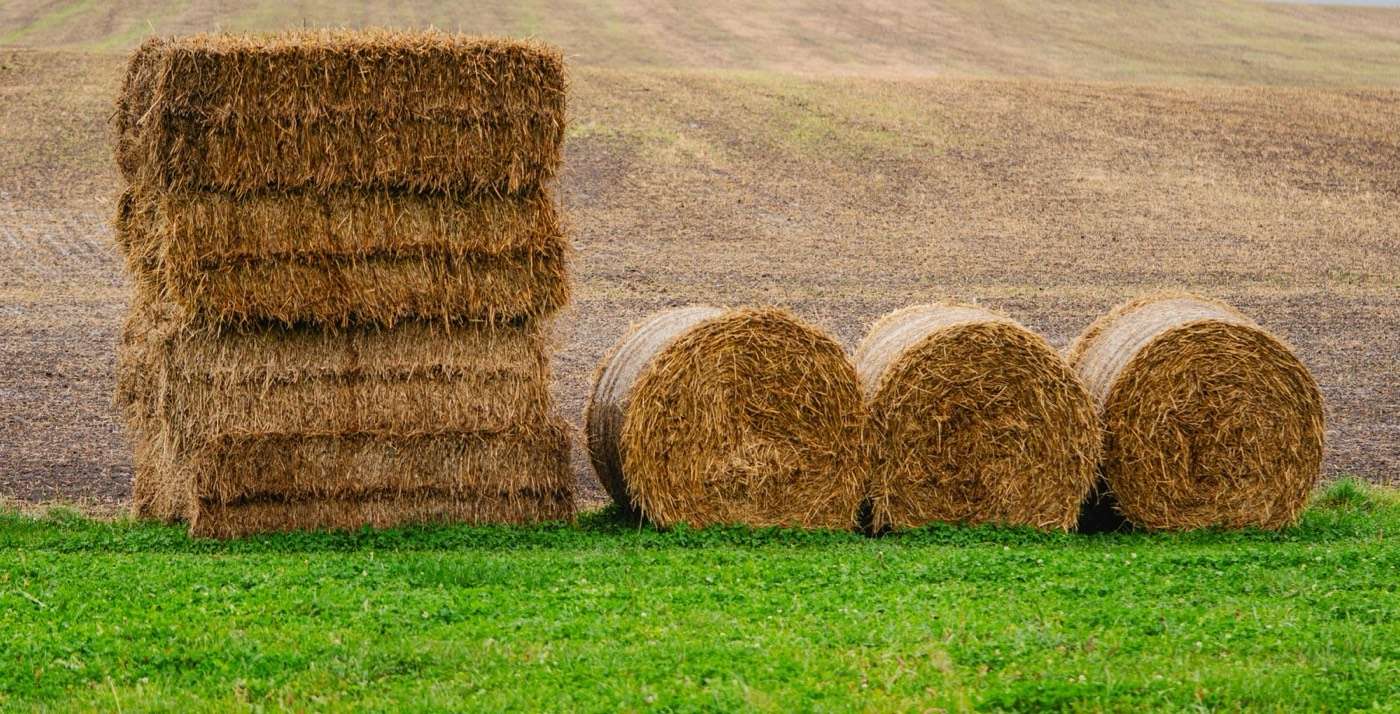
Stacked square hay bales beside round bales on green grass
Illustrative photo. Photo: Damir K on Pexels

What it costs

We fix the price after a short scoping call or a site visit. It depends on how many stacks and sensors, how far the shed is from the gateway, and how the gateway gets out. After handover, ongoing support is available as a plan.

Get a quote for hay stack alerts

The fixed price covers

  • Stack probes, shed air sensor and nodes
  • Gateway on the mill roof and Starlink or 4G backhaul
  • Installation and electrical work under QLD Electrical Contractor Licence 1513082
  • Alert set-up, with who gets the text and in what order
  • Testing of the radio and alert path before hay is stacked, and training for your team
  • Ongoing support: keeping it running, replacing batteries and probes, tuning alerts

What this won't do

  • It's not fire detection or suppression, and it meets no certified alarm standard.
  • A probe reads one point, so a hot spot elsewhere in a big stack can be missed.
  • It doesn't replace moisture testing, the 15 m separation, hydrants, insurer conditions or calling 000.
  • Temperature doesn't show moisture or oxygen, which drive heating. Low cost probes are indicative, not calibrated.

The same hot stack, with and without a text

Without monitoring

  1. Week 3Damp bales start heating deep in the stack.
  2. Boxing DayCrew is on holiday roster. Nobody checks the shed.
  3. Day 6Core passes 55 °C and gives off gas.

With monitoring

  1. Week 3Core holds 50 °C for an hour. Feed manager gets a text.
  2. Same dayWalk the stack, check moisture, check more often.
  3. Day 6Core hits 55 °C. Duty operator gets a text too.

With you every step

How the five stages go in a feedlot hay store.

  1. 1

    Discovery

    We walk the hay store, mill and pens, measure the clearances, pick probe lots with the feed manager and test radio from the mill roof.

  2. 2

    Design

    You get a written scope: probes, shed air sensor, gateway, backhaul, alert thresholds and who gets the texts.

  3. 3

    Build and test

    We bench test the probes, gateway and alert rules, including a rising temperature and a dead node, before hay is stacked.

  4. 4

    Install and commission

    We do the electrical work under Licence 1513082, place probes during stacking, then time the text on your phones.

  5. 5

    Ongoing support

    We confirm who gets the texts and in what order, explain the trend to the feed manager and set up ongoing support.

Why Holt Systems

We design, install and commission every system ourselves, then look after it with an ongoing support plan. Monitoring supplements the site's own control, protection, fire and safety systems; it does not replace them.

Alerts
SMS to any phone, no app
Based in
Brisbane, QLD
Electrical licence
QLD 1513082
After install
Ongoing support plans
Call
07 2150 3666

Feedlot hay temperature monitoring questions

Does the 15 m separation make temperature monitoring unnecessary?

No. The MLA Feedlot Design Manual sets separation to limit the consequence of a fire. It doesn't detect a stack that's heating. Monitoring gives the feed manager a warning and a record. The separation, hydrants and moisture testing all stay.

Can the gateway sit on the mill roof?

Usually, if the shed and mill have a clear radio path. Steel sheds and dense hay weaken the LoRaWAN signal, so we test from the proposed roof position before stacking. If the path is poor, we move the gateway or add a second.

Where do the probes go in the stack?

In the core of a representative bale in the middle of each stack, 1.5 to 2 m up, with at least one in the freshest or wettest lot. A probe reads one point, so lots with the most moisture at stacking get priority.

Who gets the alert at night or on a holiday roster?

The people you nominate, normally the feed manager first and the duty operator after. Both Nobby fires, reported by Our News, fell over the holidays, so we set the roster and the order when we scope the job.

Do you supply the hydrants or fire protection?

No. We install probes, a gateway and alert rules. Hydrants, extinguishers, spark arrestors and any fire detection are separate systems. A hot stack still means calling 000 first.

Get a quote for hay stack alerts

Tell us what you need to watch and where. We confirm the sensors, gateway location and alert recipients, then give you a fixed price.

Or email hello@holtsystems.com.au

Your details are handled in accordance with our privacy policy.

  1. 1

    Tell us about the site

    A few lines on the assets, distances and what you need to know about.

  2. 2

    A call to scope it

    We confirm the sensors, gateway location and alert recipients, and whether a site visit is needed.

  3. 3

    Fixed price

    You receive a defined scope and a fixed price before any work starts.