
Skip to content
Holt Systems

Temperature inversion spray drift: get a text and a record

We put a 10 m mast beside your vine block. It texts you when cold air sets in and keeps a time-stamped weather record.

  • MeasuresTemperature at 1.25 m and 10 m, wind
  • You getA text when the air inverts
  • RecordTime-stamped, night by night
Block 2 alerts
  1. 7:40 pm

    Block 2 wind 2 m at 8 km/h and dropping. Inversion likely. Treat as hazardous.

  2. 9:05 pm

    Block 2 inversion: 10 m is 1.6 °C warmer than 1.25 m. Treat as hazardous.

  3. 8:15 am

    Block 2 inversion cleared. 1.25 m air now matches 10 m. Wind 2 m 6 km/h.

Example alerts from this system

0.73 g

An estimated 0.73 g of 2,4-D can damage one hectare of grapes.

Source: GRDC Update Paper (2017)

$6.54 million

A Victorian Supreme Court award, plus interest, to a vineyard owner after drift from a neighbour's crop.

Source: ABC News (ABC Rural), 2017

A neighbour sprays at dusk and your vines wear it by morning

Temperature inversion spray drift is how a herbicide put on a neighbour's fallow at dusk ends up on your vines overnight. The ground cools the air, and that cold air drains downslope with the spray in it.

The 2,4-D label warns of severe damage to grapes. The Australian Wine Research Institute (AWRI) reports twisted new leaves and zig-zag shoots, with early shoot growth and flowering the touchy stages.

You won't see it happen. Mist, dew and smoke can show up hours after the inversion has set in, and a handheld reading at the tank can't tell 1.25 m from 10 m.

  • Cold air runs to the low corner and the creek line.

The same evening, with and without a mast

Without monitoring

  1. 5:30 pmNeighbour sprays the fallow upslope.
  2. 9:00 pmCold air drains down to your low corner.
  3. 7:00 amTwisted new leaves. No weather record.

With monitoring

  1. 5:30 pmNeighbour sprays the fallow upslope.
  2. 9:05 pmMast flags an inversion. Text hits your phone.
  3. 7:00 amNight's wind and temperature log is ready to export.

How temperature inversion spray drift gets flagged at your block

Temperature inversion spray drift on a sloping vine block Plan view of a table-grape or wine block of vine rows on a gentle slope with contour lines. A neighbour's fallow paddock upslope is being sprayed at dusk. Cold air drains downslope and carries the drift plume past the block to a low corner and a creek line. A 10 m mast stands in open ground on the upwind edge, 15 m outside the first vine row. A side view of the mast shows temperature sensors at 10 m and 1.25 m and wind at 2 m. A dashed ring marks the neighbour awareness zone. An illustrative inset compares the night temperature profile in the low corner, which has a strong inversion, with the hilltop, which has a weak one. The alert path runs from the mast node by LoRaWAN to the site gateway, by Starlink or 4G to the manager's phone. A strip along the bottom shows the sensitive vine stages named by AWRI, early shoot growth and flowering, against fallow spraying in spring and summer. Sloping vine block at dusk, plan view Neighbour's fallow upslope, sprayed at dusk Vine block 15 m 10 m mast Temp at 10 m Wind at 2 m Temp at 1.25 m Neighbour awareness zone Cold air drains downslope Drift plume Creek line Low corner Night profile (illustrative) Low corner Hilltop 10 m 1.25 m Air temperature Alert path Mast node, LoRaWAN Site gateway Starlink or 4G Manager's phone, SMS AWRI vine stages against fallow spraying Spring Summer Early shoot growth Flowering Fallow spraying, spring and summer
Plan of a sloping vine block at dusk, not to scale. Cold air drains downslope and carries a neighbour's spray past the rows to the low corner and creek line. The mast stands 15 m outside the first row, and alerts run from the mast to the gateway and your phone.
  1. 1

    Two heights, one mast

    Matched shielded sensors read the air at 1.25 m and 10 m. Wind is read at 2 m. Humidity is read at 1.25 m.

  2. 2

    Radio to the gateway

    Every five minutes the mast node sends its readings by LoRaWAN (long range wide area network) radio to the gateway.

  3. 3

    Out by Starlink or 4G

    The gateway sends them to the dashboard and out as SMS or email to the people you nominate.

  4. 4

    It compares the two

    When the air at 10 m reads warmer than the air at 1.25 m by your threshold, on two readings, you get a text.

What we fit beside your block

  • Matched temperature pair

    Two shielded sensors at 1.25 m and 10 m. We run them side by side first and record the offset.

    Read every 5 min

  • Wind and humidity

    Wind at 2 m and humidity at 1.25 m, so records get their weather fields.

    Wind at 2 m

  • Mast node

    Sends the readings by radio to the gateway.

    Every 5 min

  • Gateway

    Picks up the mast by radio and passes it on.

    Silent alert at 30 min

  • Starlink or 4G

    Carries the readings to your dashboard and phone.

    SMS or email

What lands on your phone when the air inverts

Block 2, 10 m minus 1.25 m

Dashboard view

Air at 1.25 m
9.4 °C
Air at 10 m
11.0 °C
Wind at 2 m
2 km/h
-0.4 1 2.4 Inversion alert 5 pm7 pm9 pm2 am7 am °C
Illustrative night. Positive means the air at 10 m is warmer than at 1.25 m.

Today versus with a mast at the block

TopicTodayWith monitoring
Knowing it's an inversionMist, dew or smoke, often hours lateTwo heights compared every five minutes
Where it's measuredA tower on the far side of a riseOpen ground beside your own block
Weather on the nightMemory and the forecastTime-stamped log you can export

On a Queensland vine block

The mast stands in open ground on the upwind edge, 15 m outside the first row. AWRI reports labels measuring wind 15 m outside the vineyard on the upwind side. Check the current label.

Cold air pools low, so a mast on the upper edge can miss the low corner. We may add a second node there. A QBCC-licensed contractor we engage erects the mast. We do the electrical work under Queensland Electrical Contractor Licence 1513082.

Frost is the same cold air. See the orchard frost alarm for your coldest block. For the weather at spray time, see the vineyard rain gauge and orchard irrigation scheduling. Mildew timing is covered in leaf wetness monitoring.

Your own sprays need records too, and the mast gives you the measured weather fields. Table grape country around Emerald is in hazardous area 3, where ester 2,4-D needs a permit.
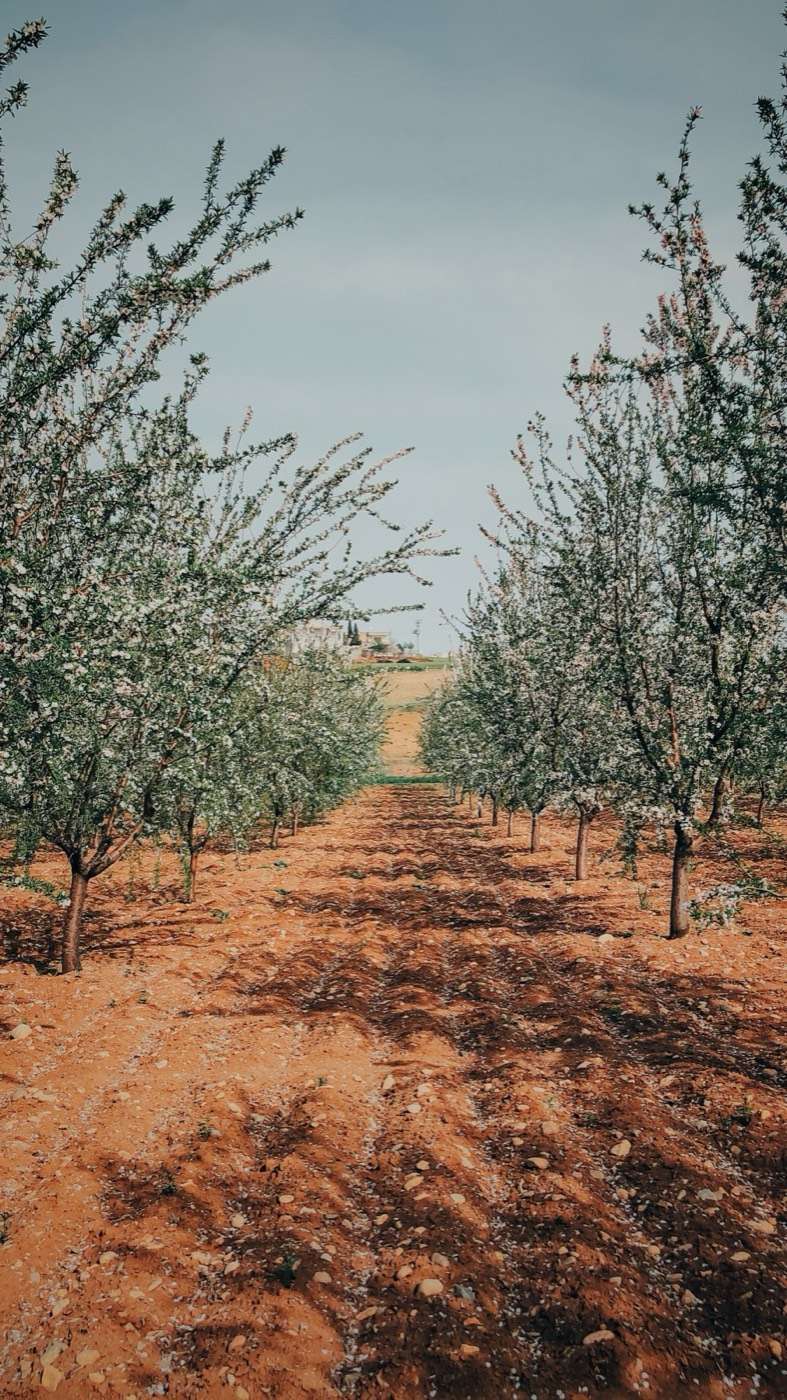
Young orchard rows on red soil
Illustrative photo. Photo: Pexels

What it costs

We set a fixed price after a short scoping call or a site visit. It depends on the number of sensors, how far the mast is from the gateway, and how it gets out. Ongoing support is available as a plan after handover.

Get a quote for a vine block mast

The fixed price covers

  • Mast, matched sensors and wind and humidity gear
  • Gateway and Starlink or 4G backhaul
  • Installation and electrical work under QLD Electrical Contractor Licence 1513082
  • Alert set-up, thresholds set to your labels, and a spring calibration check
  • Commissioning across a full evening to morning cycle, and training
  • An ongoing support plan: we keep it running, replace batteries and sensors, and tune alerts

What this mast won't do

  • It shows an inversion exists, not whether it's hazardous, so treat every flagged inversion as hazardous. It isn't a recognised inversion station and isn't approved or compliant.
  • It isn't a forecast and reads one point on the slope. It doesn't replace the label.
  • Low-cost sensors are indicative. GRDC says audits need calibrated instruments.
  • The log shows conditions, not who sprayed.

With you every step

How the five stages go on a vine block, with the mast position and your neighbours' spray programs settled at the first visit.

  1. 1

    Discovery

    We walk the block, pick open ground for the mast, and test radio and backhaul.

  2. 2

    Design

    A written scope, with thresholds set to your labels and who gets the texts.

  3. 3

    Build and test

    We run the temperature pair side by side and bench test the alert rules.

  4. 4

    Install and commission

    A QBCC-licensed contractor we engage erects the mast. We do the electrical work under Licence 1513082 and commission across a full evening.

  5. 5

    Ongoing support

    We confirm the texts, set up a daily export, book a spring calibration check, and arrange support.

Why Holt Systems

We design, install and commission every system ourselves, then look after it with an ongoing support plan. Monitoring supplements the site's own control, protection, fire and safety systems; it does not replace them.

Alerts
SMS to any phone, no app
Based in
Brisbane, QLD
Electrical licence
QLD 1513082
After install
Ongoing support plans
Call
07 2150 3666

Inversion spray drift questions

How can I tell whether tonight is an inversion night at my vineyard?

Mist, dew or smoke can appear hours after an inversion forms. A measurement is surer: air at 10 m reads warmer than air at 1.25 m. The mast compares the two every five minutes.

Can the record show a neighbour's spray damaged my vines?

No. The log shows conditions at the mast, not who sprayed. Report suspected drift to Biosecurity Queensland on 13 25 23. It asks for the date, time and weather, which the log supplies.

What weather records must I keep when I spray my own vines?

Business Queensland requires a record of each application within 2 days, kept at least 2 years, with temperature, humidity, wind, cloud cover and rain. The mast supplies the measured fields. You note cloud cover.

Can I use the regional hazardous inversion network instead?

CRDC described the network in January 2024 as for cotton and grain farmers, so confirm access for horticulture. It measures vertical turbulence, which a two-height mast can't. A mast beside your block records your own air.

Does the mast make my spraying compliant with the label?

No. Where recognised inversion monitoring doesn't cover an application, GRDC reports the regulator treats all inversions as hazardous. No published recognition criteria were found, so the mast is an inversion flag and a record. The label and the person spraying decide.

Get a quote for a vine block mast

Tell us what you need to watch and where. We confirm the sensors, gateway location and alert recipients, then give you a fixed price.

Or email hello@holtsystems.com.au

Your details are handled in accordance with our privacy policy.

  1. 1

    Tell us about the site

    A few lines on the assets, distances and what you need to know about.

  2. 2

    A call to scope it

    We confirm the sensors, gateway location and alert recipients, and whether a site visit is needed.

  3. 3

    Fixed price

    You receive a defined scope and a fixed price before any work starts.