
The power drops at 2 am and the shed turns into a sealed box
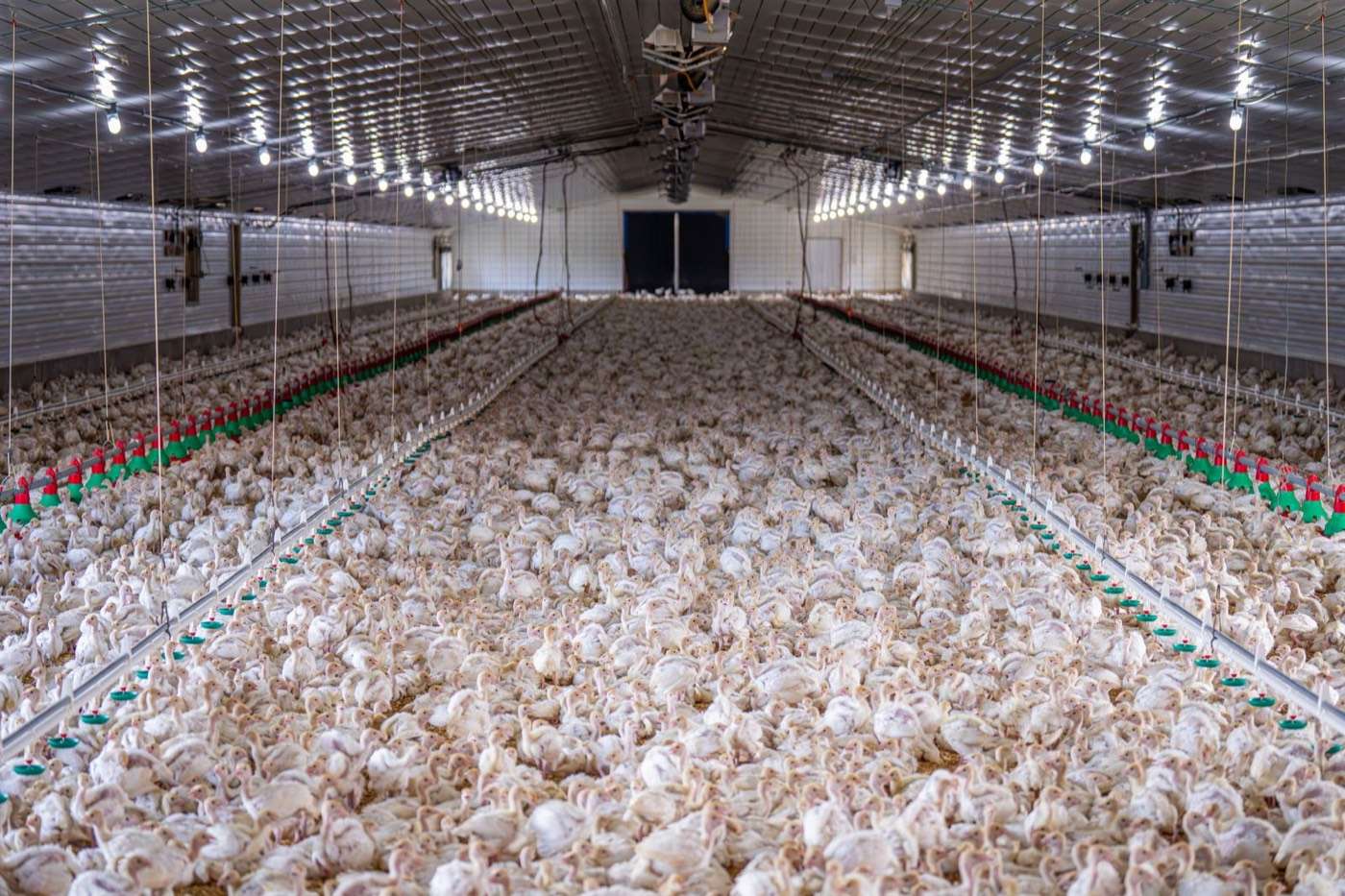
A power failure alarm for a shed has to work when the power doesn't. A tunnel shed without fans heats up fast, with heat stress reported within about 10 minutes (University of Delaware).
At Helensville in 2019 the generator relay failed and the alarm router had no battery backup, so nobody got a call. At Grong Grong, a security company saw the fault but couldn't reach anyone on call.
- A router alarm dies with the mains unless it has a battery backup.
- The power company's text tells you about the network, not your tripped breaker.
- One dropped phase keeps the lights on while motors overheat.
The same outage, with and without a text
Without monitoring
- 2:00 amMains fails. Fans stop. The generator doesn't start.
- 2:10 amHeat stress can start in the shed.
- 5:30 amYou find the shed dark on your rounds.
With monitoring
- 2:00 amMains fails. The sensor keeps sending on its battery.
- 2:03 amYour phone buzzes. Your second person's too.
- 2:08 amNo generator signal, so everyone listed gets a text.
How a battery-backed power failure alarm works
- 1
A sensor watches the mains
A battery-backed sensor on the incomer side of the switchboard keeps sending after the mains drops.
- 2
Radio to the gateway
LoRaWAN (long range wide area network) radio carries each reading to a gateway on its own battery box.
- 3
Starlink or 4G sends the text
Starlink runs at 12 V DC from the same battery. Where 4G signal is good, we use that instead.
- 4
Silence is an alert too
If the gateway stops reporting, the cloud raises a site silent alert after 50 minutes.
What we fit in the shed and at the gateway
-
Mains loss sensor
Watches the supply at the switchboard and keeps sending when it drops.
Own battery
-
Phase and generator inputs
Reads a phase relay and the generator run contact, so one lost phase or a failed start gets reported.
Alert in 1 to 2 min
-
Fan feeder clamp
Shows whether the fans are pulling current, even when the mains is healthy.
Alert after 2 min low
-
Gateway battery box
Collects every sensor by radio and runs through the outage.
Heartbeat every 20 min
-
Starlink backhaul
Sends the text out with no site wifi or mobile signal needed.
12 V DC, 4G if signal's good
What lands on your phone when the mains goes
Shed 2 mains and fan current
Dashboard view
- Mains
- Lost
- Generator run
- Not running
- Fan feeder
- 0 A
- Gateway battery
- OK
Today versus with a power failure alarm
| Topic | Today | With monitoring |
|---|---|---|
| Finding out | Rounds, a siren nobody hears, or a neighbour's call | A text to your phone within minutes |
| Router alarms | Dies with the mains unless it has a battery | Sensor, gateway and Starlink run on their own batteries |
| One lost phase | Lights stay on, motors overheat | A phase relay triggers the alert |
On a poultry, pig or dairy site
We walk your switchboard, supply type and generator changeover.
Queensland's pig code (sections 12 and 13) asks for an effective backup ventilation system, or twice daily checks on naturally ventilated sheds. This alarm sits beside the backup. A dairy's generator call has to come before the next milking.
Running a generator? Add a poultry shed generator alarm. Worried about a tripped breaker? See shed breaker trip alert.
What it costs
We set a fixed price after a short scoping call or a site visit. It depends on how many supplies and sensors, how far the gateway is from them, and how it gets out. After handover you can add an ongoing support plan.
Get a quote for a shed power alarmThe fixed price covers
- Sensors on each supply you want watched
- Gateway, battery box and Starlink or 4G backhaul
- Installation and electrical work under QLD Electrical Contractor Licence 1513082
- Alert set-up, who gets the text and in what order
- Commissioning and training
- Ongoing support plan: batteries, faults, alert tuning and extra sensors
What this alarm won't do
- It doesn't replace your back-up power, controller alarm or response system. It's a second path, not a control or certified safety system.
- LoRaWAN sends small readings, not a live feed, and stops outside gateway range.
- The gateway battery isn't endless. On an assumed 12.8 V, 100 Ah battery, a 4G gateway at 8 W runs about 5 days and Starlink at 30 to 45 W about 23 to 34 hours.
- Texts only reach phones with coverage. Your nominated people act on the alert.